Showing posts with label herbs. Show all posts

4.02.2011

Kentucky Wild Weeds-Bloodroot

My flower feel apart from the cold weather so I borrowed a picture from the internet.  I wanted to talk about bloodroot because it's one of the earliest blooming plants and much of the supply of this herb comes from eastern Kentucky.  It's unusual because the flower appears before the leaf.  It likes moist rich soil and grows easily in areas like the Daniel Boone National Forest where there is rich leaf litter to nourish it.

Bloodroot is a low dose medicinal and is used as an expectorant in cold formulas.  It's caustic to the skin and can actually kill skin cells.  This makes it useful in treating skin cancer and is a common ingredient in black salves.  Fresh root juice, which is blood red, can be applied directly to skin tags and warts.  I have even had luck applying the extract to a freshly forming skin tag. The skin tag dried up and fell off in a few hours.  Bloodroot extract is also included in some commercial toothpastes because it prevents tartar from forming on the teeth.

Happy Spring!

3.22.2011

Be Back Soon!

My roots are starting to sprout up so I will be posting soon!  Pictured above is Blue Cohosh.  When it comes up all the way it will have a cluster of green leaves and will make a flower and then blue berries.  Right now it's just blue.
This is my bloodroot which is making a flower for the first time in four years.  I think that will be my first post after the flower opens up all the way.  Be back with you soon!

Jackie (Glory Be Herbals)

9.29.2010

Kentucky Wildweeds-Goldenrod

Kentucky Wild Weeds


I’m back!!!!  In this issue I’ll be discussing our state flower-Goldenrod.  The genus name solidago comes from the latin word solide which means “to make whole”.  After the Boston Tea Party the colonists drank goldenrod tea and called it Liberty Tea.

Goldenrod tea is used as an antiseptic treatment for urinary tract infections, a gargle for sore throats or just a relaxing cup of tea.  The flowers can also be infused into an oil or ointment to disinfect and treat skin infections, and to relieve pain.

Some people blame this beautiful plant for their late Summer allergies but the real culprit is ragweed, which blooms at the same time.  The flowers of ragweed are not easily seen so our poor Goldenrod gets the blame.  It is possible to be allergic if you have allergies to any plant in the daisy family, but allergic reactions would result from direct contact with the plant, not airborne pollen.

Goldenrods are now in bloom so it’s time to gather flowers!

12.28.2009

Kentucky Wild Weeds: Storing Roots


Today we have another installment of Kentucky Wild Weeds, written by team member Jackie Alberti of Glorybeherbals.

Harvesting and Storing Roots

Fall is the time to harvest roots to store for future use. Roots will store much longer than leaves and flowers and will remain “fresh” for years if handled properly.

The first thing you should do is to do your homework about the particular plant you are harvesting. Some plants have to be a certain age or they won’t be useful-this would be tragic all the way around if you kill an innocent plant and waste your time. Also, some plants like American ginseng may be illegal for you to harvest without a permit from the state. Here are some useful guidelines-Coneflowers (Echinacea) should be 4 years old; Ginseng 4 -7 years old; Goldenseal 3-5 years old. I strongly recommend raising your own endangered plants so that wild stands aren’t depleted!

After you have dug up your roots you want to wash them really well then cut them into small pieces that will be easier to work with later. Then comes the hard part-lay them out in a dry dark place to thoroughly dry. This will probably take months but it’s well worth the wait since you will have years worth of medicine on hand. Check them periodically to make sure they aren’t developing any mold and they are drying out.

After they are dried you can store them in plain brown paper bags away from heat and light.

Companionplants.com has lots of bare roots for sale if you are interested in raising endangered plants on your land. They are located in Ohio so shipping is fast to anywhere in Kentucky and I have always received beautiful stuff from them. If anyone knows of a Kentucky source let me know!

9.25.2009

Feature Friday: Jackie Alberti - GloryBeHerbals


Today on Feature Friday, we focus on Jackie Alberti of GloryBeHerbals. If you have been following the blog you will recognize Jackie's name from the Kentucky Wild Weeds articles that she writes for us. Now we learn a little more about Jackie and her love of plants, flowers and herbs.

How did you first hear about etsy?

I first heard about etsy from another student in my herbal program.

Tell us about a little about yourself and your favorite craft/art!

My favorite is aromatherapy but I also love herbs. I also knit and crochet when the urge strikes me but that's usually for family gifts.


How did you get started as a designer?

I have always been interested in herbs. I seriously studied herbs and essential oils a few years ago because I was getting really concerned about how many chemicals my family is exposed to. I really believe that plants are God's gift to us and they can sometimes work in ways that pharmaceuticals can't. After I was using herbs and essential oils for a few months I realized how much better my stress levels were and I was off all my prescription meds, plus I wasn't having any of the nasty side effects. How great is that!


What inspires you to create?

Sometimes it seems to come out of nowhere. Definitely a new herb or essential oil will inspire creativity. Sometimes I am trying to find a new protocol for a specific condition and I will be drawn to a certain plant or oil.


How long have you been a member of Bluegrass etsy and how did you hear about the team?

I have been on the team for about a year and a half now. I was invited to join not long after I signed up on etsy and I'm really glad I joined. We have really nice people and it's great to have a group supporting each other. BEST is a great team and I hope more members will be inspired to participate more. We have some members that are working SO HARD for the benefit of the whole team! If we could get half the team this passionate we probably could take over the world-or at least the state.


Any advice you would give to aspiring designers?

I think being an active member of a street team really helps with networking and morale. I also say keep on doing what makes you happy and listen to your customers.

Anything else you would like to add?

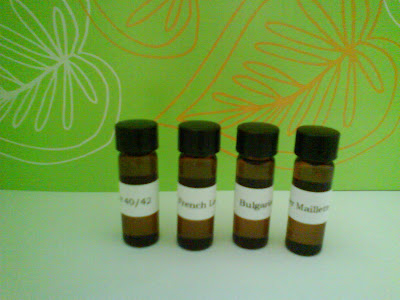
Actually I have a new store for perfumery where I am using mainly fragrance oils plus some natural perfumes. It's at JASaromatics if anyone would like to check it out. I also love to do custom work for customers-it challenges me in a great way.

*************

Thanks Jackie for the interview. In addition to Jackie's JASaromatics shop, you may also want to check out her Glorybeherbals etsy shop!

To see more of the talented arts and crafts from Kentucky Handmade, go to etsy.com and type in teambluegrass in the search box.

7.27.2009

Kentucky Wild Weeds: Poke


This week, Kentucky Wild Weeds focuses on a plant called "poke."

I am sure all Kentuckians recognize this plant, it’s everywhere in Lexington. Birds love to eat the berries and they end up “depositing” the seeds everywhere they go. You’ll see little poke plants sticking out of cracks in the sidewalk and on roadsides they’ll grow up to 7 feet or better.

Some people like to eat the young Spring greens (my sister freezes some every year), and some eat a berry a year to prevent arthritis. The most active part is the root. Poke is a VERY powerful lymphatic cleanser and can really help clear infections out of your system. You can easily make a batch of root extract in the Fall that will probably last a lifetime. A dose is one drop of extract in a little water. I have seen one or two doses completely clear up swollen glands in a day. To prepare an extract, the root should be gathered in the fall after the foliage starts to die down. Wear gloves when handling this plant because it is toxic. Clean and chop a fresh root, fill a jar halfway then fill the jar all the way with 100 proof vodka. After a month you can strain out the plant material and store your extract in a brown or blue glass bottle.

You can also use the root to make an infused herbal oil to massage over swollen glands and to break up breast lumps. This remedy is too harsh to use every day so it’s not good to use as a preventative.

If you have any questions about using this plant click here for my store and start a conversation with me.

Thanks to Jackie Alberti for featuring a native Ky plant for us each week!

7.15.2009

Kentucky Wild Weeds: Mullein

Here is another installment in our weekly feature on plants in Kentucky and their medicinal uses. Thanks to Jackie Alberti for writing these each week!


Mullein is found all over the place and is another great medicinal. This plant can be as much as 6 feet tall - the stalks used to be dried, dipped in wax and used as torches. The most useful parts are the leaves and flowers. The leaves are expectorant and are used in teas and smoking mixtures to treat asthma and colds. The flowers can be infused in olive oil to make an oil to sooth irritated skin and especially to treat ear infections. To make the oil, gather a small handful and place in a jar, cover with oil and let it sit for two weeks. Then strain out the flowers and store the oil in the fridge. I also like to infuse some garlic cloves and add a little St. John’s Wort infused oil. There is also an essential oil available but I have not tried it yet.

Mullein will take root in any clear space, loves poor soil and the seeds are believed to remain dormant for up to 100 years!

You can comment here or contact me through my etsy store if you would like more information on any of my articles or anything else.

7.08.2009

Kentucky Wild Weeds: Goldenseal


This is another of our more valuable native plants. Early colonists took a quick liking to this plant and exported enormous amounts of goldenseal roots to Europe. World-wide demand for this plant remains high to this day and it has become threatened in the wild. As you can see, it is easy to raise with requirements similar to ginseng (shade and compost).

Goldenseal is an immune stimulant, antibacterial, anti-fungal, and relieves excess mucous and infections very quickly. It is great paired with Echinacea to fight colds and flu. It will irritate mucous membranes if overused so once you start to dry up you should back off on dosages. The belief that goldenseal will mask drug use on a drug test is false. This belief has lead to abuse of this plant and tons of valuable medicine has been wasted. Goldenseal should be used only when it’s really needed and just so you know, it tastes exactly like it smells!

Thanks so much to our own Jackie Alberti ( GloryBeHerbals ) for the fun and educational article!

6.28.2009

Kentucky Wild Weeds: Dandelion

Kentucky Wild Weeds

Dandelion

The name dandelion comes from the French name “dent de lion” which means lions tooth. This comes from the jagged shape of the leaves. Mankind has been trying to eradicate this plant since the lawn was invented. Thankfully, this will never happen. The dandelion is very smart. It seeds are fun for kids to blow in the wind.

Every part of this plant is medicinal. The bitter root is a famous liver tonic. It can be dried, ground and roasted for use as a coffee substitute just like chicory root. Root teas increase the flow of bile from liver which helps the human body to break down fats more efficiently and detoxifies the liver.

The milky sap from the stem can be applied directly to warts and skin tags to help dissolve them.

The leaves (greens) can be steamed and eaten as a vegetable. They are natures perfect diuretic. They flush out excess fluids from the body and replace potassium.

The flowers have analgesic (pain relieving) properties. The petals should be removed from the green parts. They can be infused in water that has been boiled to make a soothing tea. Or you can infuse them in oil to make a massage oil for sore muscles. This oil is also a great massage oil for breaking up lumpy breast tissue and it’s safe to use every day. I love this oil-it looks like bottled sunshine.

Don’t spray dangerous chemicals on your dandelions to try to kill them. Dig them up and use them-it’s free medicine!


Thanks so much to our own Jackie Alberti ( GloryBeHerbals ) for the fun and educational article!

6.18.2009

Kentucky Wild Weeds: Red Clover

Many thanks to our wonderful Jackie Alberti (Glorybeherbals) for submitting her awesome articles on Kentucky Wild Weeds! To see her Feature Friday Interview Click Here
ENJOY!

Red Clover

This is another one of those miraculous little plants that are everywhere. Farmers often plant Red Clover as a cover crop to replenish soil nutrients. Herbalists use it treat menopausal symptoms, rashes, psoriasis, eczema and cancer.


Red Clover makes a delicious tea which tastes just like black tea. Scientists are investigating this plant because of the phytoestrogen content which can give menopausal women a natural estrogen boost to alleviate hot flashes and other uncomfortable symptoms.


Infuse the flowers in oil and you have a safe and gentle massage oil that can be used daily to break up fibrotic breast tissue and possibly prevent breast cancer. Even if it doesn’t prevent breast cancer it will certainly make it easier to detect in the early stages. Fibrocystic breast disease makes it much harder to detect small lumps, even with a mammogram. So next time you see this pretty little flower you can see the real beauty in it.

6.04.2009

kentucky Wild Weeds: Ginseng

This installment is number one in a new series kindly written by our own GloryBeHerbals Jackie Alberti who was this weeks Feature Friday Interview!

Look for more articles coming weekly on Kentucky Wild weeds! THANKS JACKIE!!!!


Kentucky Wild Weeds

Panax quinquefolius, commonly known as American Ginseng is our most valuable native medicinal plant. The root has been a really lucrative product for people in our state and others, and over-harvesting has put the American ginseng on the endangered list. The state of Kentucky has very strict regulations on how to harvest and market dried ginseng root (unless it is grown on your land) so if you run across it in the woods you shouldn’t dig it up. As you can see from the picture it is quite easy to grow yourself! There are many reputable sources on the internet for buying bare roots if you’re interested in growing your own. If you have land with a wooded area, that would be an ideal place to grow it. It prefers partial shade leaf litter for compost. I have my ginseng in an area that gets only a couple of hours of direct sunlight a day and I mulch it with living mulch. It’s very happy and is getting noticeably bigger every year.

Ginseng is an adaptogen, which means that long term use helps the body adapt to stress, builds endurance and strengthens immunity. There are many species of panax ginseng (Korean, Chinese, etc.). Unlike the asian ginsengs, American ginseng has a more cooling effect.

American ginseng is the preferred species so wild stands are becoming strained from the demand.

I hope all my fellow Kentuckians will choose to raise this plant in their gardens. It will help to save one of our most valuable natural resources.